Konjac Glucomannan: The Science-Backed Fiber for Weight Management
Konjac glucomannan is the only weight-loss supplement with an EFSA-approved health claim. Recent clinical trials show significant reductions in body weight (up to 2.77 kg), BMI, body fat percentage, and LDL cholesterol. Learn how this natural soluble fiber supports weight management through satiety, fat loss, and metabolic regulation — backed by peer-reviewed science and regulatory recognition.
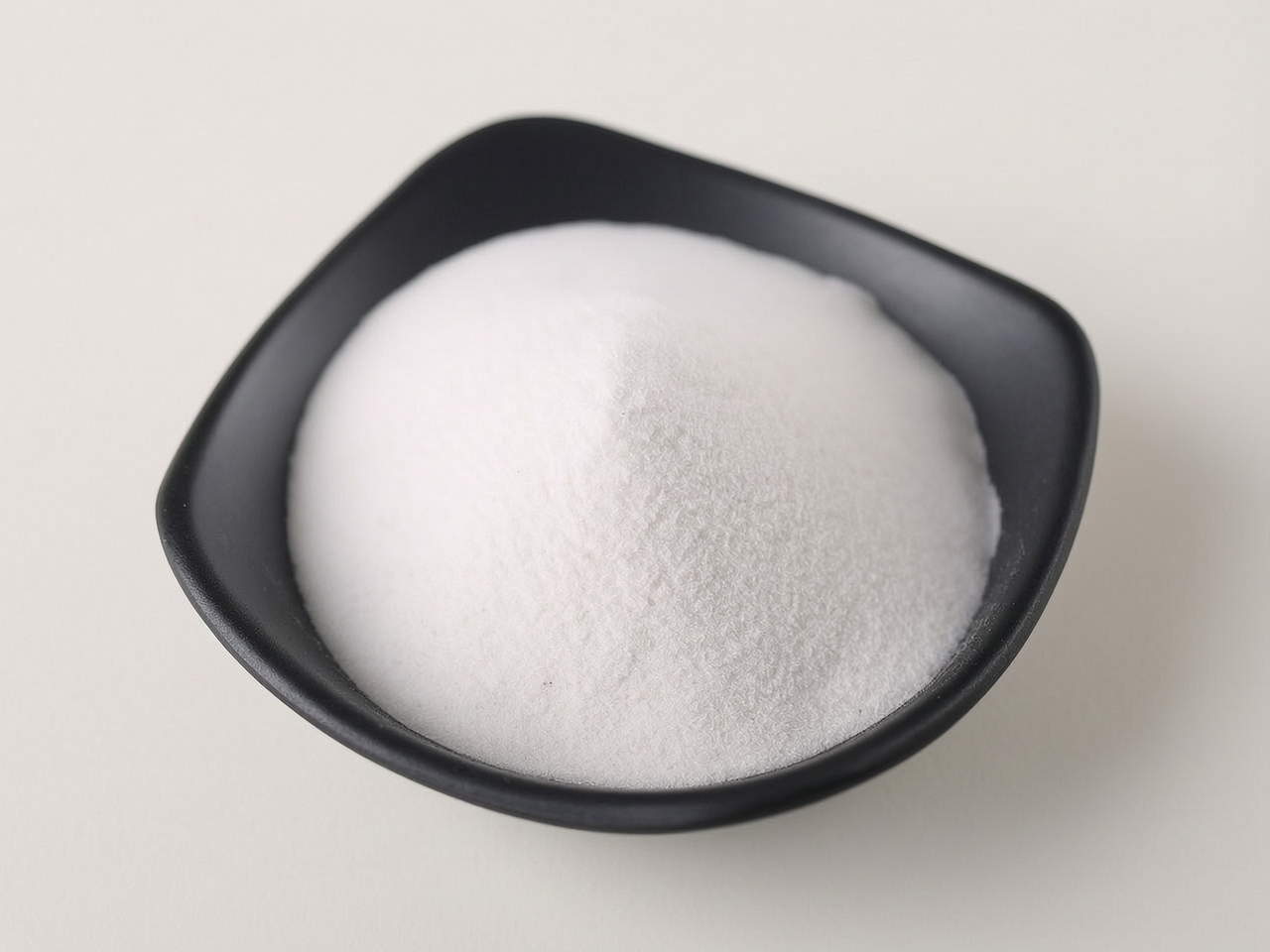
Konjac Glucomannan: The Science-Backed Fiber for Weight Management
Weight loss supplements come and go. But few have the scientific backing — and regulatory approval — of konjac glucomannan.
In an industry filled with hype, glucomannan stands apart. It’s not a stimulant. It’s not a synthetic compound. It’s a natural, water-soluble dietary fiber derived from the root of the konjac plant (Amorphophallus konjac) — and it has been studied in dozens of clinical trials for its effects on body weight, body composition, and metabolic health.
Here’s what the science actually says.
What Makes Glucomannan Different?
Most dietary fibers are beneficial. But glucomannan is in a league of its own.
It can absorb up to 50 times its weight in water. When consumed before a meal, it expands in the stomach, creating a gel-like mass that promotes feelings of fullness and slows gastric emptying. This is the mechanism behind its weight management effects: you feel fuller sooner and stay satisfied longer — without consuming extra calories.
Beyond satiety, glucomannan may also reduce the absorption of dietary fat and protein in the gut, further contributing to its metabolic benefits.
This is not a "magic pill." It’s a functional ingredient with a clear, physiological mechanism of action.
What the Clinical Trials Show
The evidence for glucomannan’s effectiveness in weight management is substantial and growing. Recent clinical trials — many conducted in 2024 and 2025 — have reinforced its role as a scientifically validated tool for weight control.
Body Weight and Fat Reduction
A 2025 randomized, triple-blind, placebo-controlled trial involving adults with excess weight found that glucomannan supplementation (3 g/day for 12 weeks) produced significant reductions in body weight (mean: -2.39 kg), BMI (-0.83 kg/m²), and waist circumference (-2.70 cm). Beyond weight, glucomannan reduced body fat percentage by -2.16% and visceral adipose tissue by -20.0 cm² — indicating that the weight lost was predominantly fat, not muscle or water.
Another 2025 trial reported similar findings: participants experienced weight loss of -2.77 kg in the glucomannan group (vs. -2.12 kg in placebo), along with greater reductions in BMI, waist circumference, and visceral fat area.
A review of clinical studies published in mid-2025 found that glucomannan supplementation at ≥5 g/day for 12 weeks or more was consistently associated with BMI reductions of approximately 1.49 kg/m² and weight loss of approximately 3.18 kg.
Even in a meta-analysis of 62 trials that included glucomannan along with other viscous fibers like psyllium and beta-glucans, adding these fibers to an ad libitum diet produced a mean additional weight loss of approximately 0.3 kg compared to control.
Fat Loss Without Losing Muscle
One of the most significant findings from the research is that glucomannan promotes fat loss while preserving lean mass. In the 2025 trial, the glucomannan group showed muscular mass maintenance (a loss of only -0.16 kg vs. -1.28 kg in placebo), while achieving greater body fat reductions. This distinguishes glucomannan from many weight loss approaches that result in undesirable muscle loss alongside fat reduction.
The same study also confirmed benefits for blood lipids: LDL cholesterol decreased by -14.4 mg/dL and total cholesterol by -15.9 mg/dL in the glucomannan group.
The EFSA Advantage: Regulatory Approval
This is where glucomannan truly separates itself from the competition.
The European Food Safety Authority (EFSA) has authorized two specific health claims for konjac glucomannan:
Weight loss in the context of an energy-restricted diet — at a dose of 3 g/day
Maintenance of normal blood cholesterol levels — at a dose of 4 g/day
Glucomannan is the only weight-loss supplement with an EFSA-approved health claim under Regulation (EU) 432/2012. This is not marketing hype — it’s a regulatory endorsement based on rigorous scientific evaluation. The claim may only be used for food products containing 1 gram of glucomannan per quantified portion.
The FDA has also recognized glucomannan as a dietary fiber that may help reduce blood cholesterol.
For food brands, supplement manufacturers, and distributors, this regulatory recognition is a powerful marketing asset. It allows for substantiated health claims on product labels — a distinct competitive advantage in an increasingly crowded market.
Important Considerations
While the evidence is compelling, it’s important to be transparent about the research landscape.
Consistency of Results
Some studies have reported mixed results. A 2014 meta-analysis of 8 trials did not find a statistically significant effect of glucomannan on weight loss compared to placebo. However, this must be viewed in context: a meta-analysis of 14 studies found a small but statistically significant mean weight loss of 0.79 kg more than placebo. The difference between these findings likely reflects variations in study duration, dosing protocols, and participant adherence.
Notably, when researchers accounted for compliance — how consistently participants actually took the supplement — significant reductions in body weight, body fat, total cholesterol, and LDL cholesterol emerged in the glucomannan group. In other words, glucomannan works, but like any nutritional intervention, consistency matters.
Safety and Tolerability
Glucomannan appears to be well tolerated for short-term use. Minor side effects may include belching, bloating, loose stools, flatulence, diarrhea, constipation, and abdominal discomfort.
A critical safety note: Tablet forms of glucomannan have been associated with cases of esophageal obstruction. This occurs when tablets are taken without sufficient water and swell before reaching the stomach. Powdered and capsule forms have not been associated with this risk. For this reason, glucomannan should always be consumed with at least 8 ounces (approximately 240 ml) of water.
Who Can Benefit from Glucomannan?

Glucomannan is relevant for a wide range of applications:
Food manufacturers looking to formulate low-calorie, high-fiber products with substantiated health claims
Supplement brands seeking a scientifically validated weight management ingredient with regulatory approval
Distributors and retailers serving the growing health-conscious consumer market
Healthcare professionals recommending evidence-based dietary interventions for overweight or obese patients
Individuals seeking a natural, non-stimulant approach to weight management
The Bottom Line
Konjac glucomannan is one of the most rigorously studied dietary fibers for weight management. The clinical evidence — particularly from recent 2024 and 2025 trials — consistently demonstrates its effectiveness in reducing body weight, body fat, and improving metabolic markers.
What sets it apart is not just the science — it’s the regulatory validation. EFSA approval provides a level of credibility that few other weight management ingredients can claim.
Is glucomannan a substitute for healthy eating and physical activity? No. But as a co-adjuvant in a calorie-restricted diet, it offers measurable, clinically validated benefits.
For brands and manufacturers, this represents a clear opportunity: a natural, science-backed ingredient with regulatory approval, proven efficacy, and growing consumer demand.
Ransider is a konjac food supplier with over 20 years of manufacturing expertise. We offer premium konjac glucomannan dietary fiber powder — BRC, IFS, Organic, Kosher, Halal, and FDA certified. OEM/ODM available. Contact us for wholesale inquiries and free samples.