Global Konjac Market Trends and Opportunities 2026
The konjac industry is experiencing unprecedented growth as global consumers increasingly embrace health-conscious eating habits. For businesses looking to enter or expand in this market, understanding current trends and opportunities is essential. This article provides a comprehensive overview of the global konjac market landscape, key growth drivers, and strategic opportunities for suppliers and manufacturers.
Market Size and Growth Projections
The global konjac market is expanding at a remarkable pace. In 2025, the market was valued at approximately $2.1 billion**, and industry analysts project it will reach **$3.7 billion by 2034, growing at a compound annual growth rate (CAGR) of 6.28%. Other research firms forecast similar trajectories, with the market expected to grow from $1.61 billion in 2025 to $2.75 billion by 2033, representing a CAGR of 6.9%.
The food-grade konjac segment alone was valued at approximately $776 million in 2025 and is projected to reach $1.203 billion by 2032, with a CAGR of 6.6%. Meanwhile, the konjac dietary fiber market stood at $1.014 billion in 2025 and is expected to reach $2.3 billion by 2035, growing at an impressive CAGR of 8.54%.
China remains the dominant player in this market, accounting for 63% of global production and half of global exports. The domestic Chinese konjac market is projected to exceed 300 billion RMB (approximately $41 billion) in 2025, with an annual growth rate of 11.8% over the next five years.
Key Growth Drivers
1. Rising Health Consciousness and Weight Management Trends
Consumer awareness of konjac's health benefits continues to drive market expansion. Konjac is renowned for its high dietary fiber content—with dietary fiber accounting for up to 80% of its composition, making it the plant with the highest dietary fiber ratio. The active component, glucomannan (KGM), is a water-soluble dietary fiber that has been approved by the European Food Safety Authority (EFSA) for health claims related to weight management and cholesterol reduction.
As consumers increasingly seek low-calorie, low-GI, and gluten-free food options, konjac-based products have emerged as ideal solutions. The growing popularity of keto diets and weight management programs has further accelerated demand.
2. Policy Support and Government Initiatives
A major catalyst for the industry is the "China Food and Nutrition Development Outline (2025-2030)" , jointly released by three Chinese ministries in February 2025. This policy explicitly calls for expanding the supply of dietary fiber-rich specialty foods like konjac and promoting standardized production across the entire industrial chain.
The policy framework provides strong institutional support for industry growth. Additionally, the Chinese government offers a 9% export tax rebate for high-value-added konjac products and has included the sector in the "Key Industries for Outbound Investment Cooperation" catalog.
3. Clean Label and Natural Ingredients Movement
The global shift toward clean-label and plant-based ingredients is a significant tailwind for the konjac market. Consumers increasingly demand transparent, easily readable product labels free from artificial additives. Konjac, as a natural plant-based ingredient, perfectly aligns with these preferences. It serves as a clean-label alternative to animal-based gelatin and synthetic additives across food, pharmaceutical, and cosmetic applications.
4. Technological Innovation and Product Diversification
Rapid innovation is transforming konjac from a basic raw commodity into high-value consumer products. Manufacturers are expanding applications of hydrocolloid technology to develop convenient, ready-to-eat snacks and noodle substitutes.
The industry has witnessed remarkable product innovation:
Traditional konjac tofu has evolved into a diverse product matrix including konjac snacks, meal replacements, and plant-based meat alternatives
The Chinese konjac plant-based meat substitute market grew from 3.98 billion RMB in 2020 to 7.25 billion RMB in 2024
Leading companies have developed innovative flavors and formats, expanding from basic konjac noodles to instant snacks, dietary supplements, and functional foods
Product Innovation Trends
Konjac Noodles and Pasta Alternatives
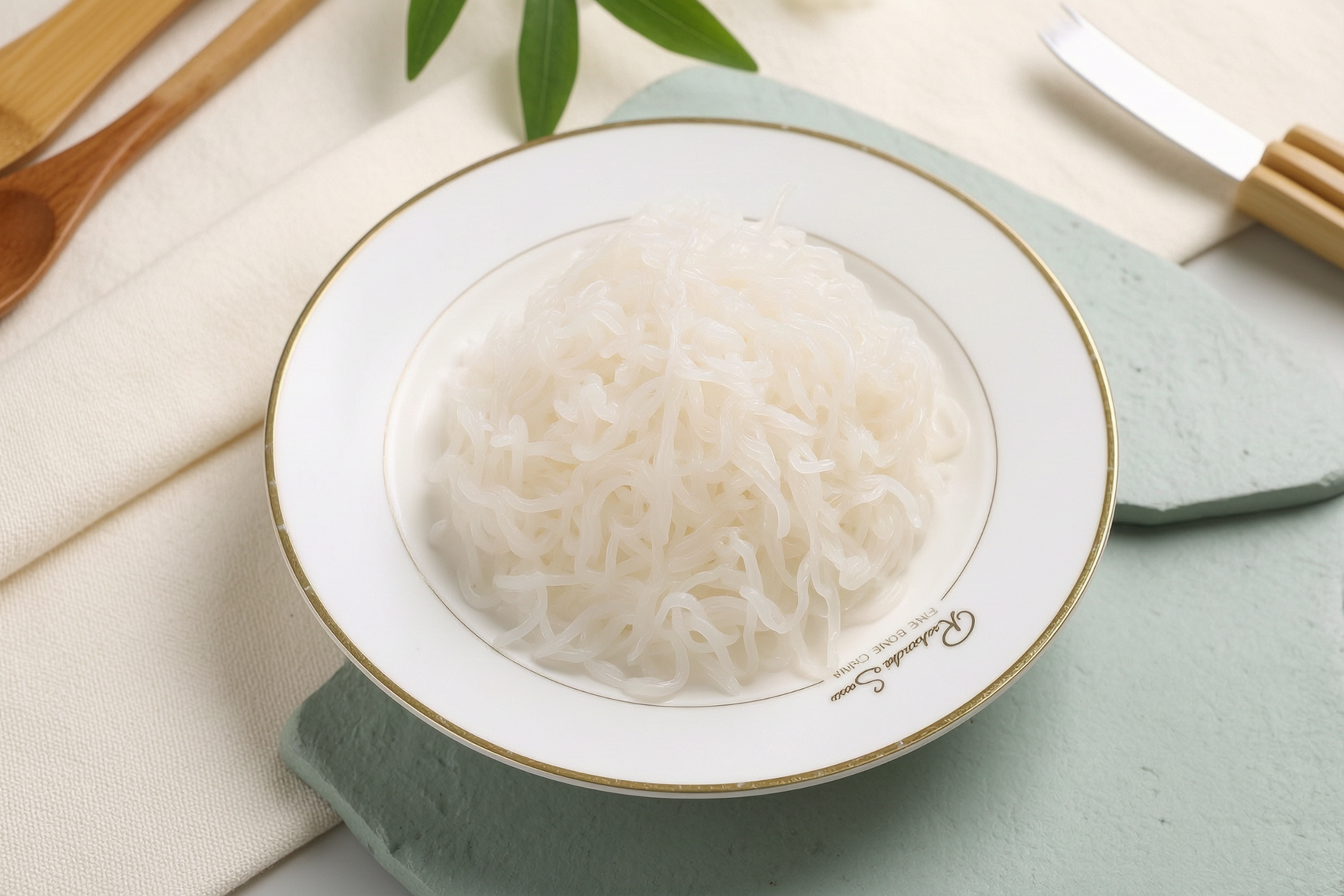
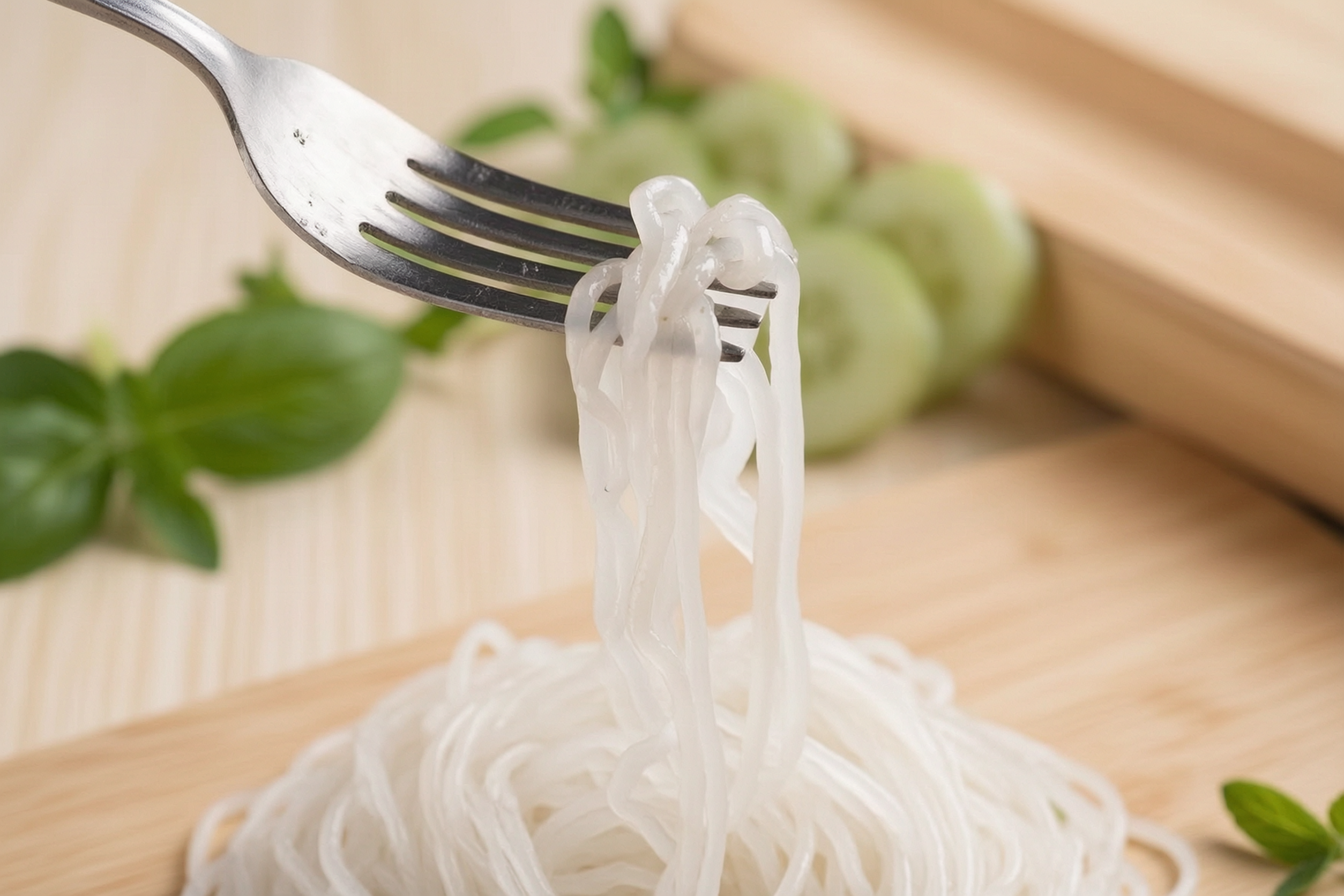
Konjac noodles, including shirataki noodles, spaghetti, fettuccine, and rice alternatives, represent one of the fastest-growing segments. These products appeal to consumers seeking low-carb, gluten-free pasta substitutes. The dried konjac noodle segment offers particular advantages for international trade due to its long shelf life and reduced shipping costs.
Konjac Snacks and Ready-to-Eat Products
The ready-to-eat konjac snack market has experienced explosive growth. A leading brand's konjac snack revenue reached 3.37 billion RMB (approximately $460 million) in 2024, growing 59.1% year-over-year. The leisure konjac product segment saw revenue surge 155.1% year-over-year in the first half of 2025.
Konjac Dietary Fiber and Supplements
Konjac glucomannan powder is increasingly used in dietary supplements, functional foods, and beverages. The global konjac glucomannan powder market was valued at $613 million in 2025. Its applications extend beyond food into pharmaceuticals, personal care, and cosmetics.
Emerging Applications
Beyond traditional food applications, konjac is finding innovative uses in:
Skincare products: Konjac-based facial masks show 40% better moisturization compared to traditional masks
Biodegradable packaging: Konjac-starch films can naturally degrade within 14 days
Medical and pharmaceutical applications: KGM shows promise in specialty medical foods and biomedical fields
International Market Opportunities
Europe and North America
International markets, particularly Japan, Europe, and the United States, show annual demand growth of 15% for low-fat, high-fiber konjac products. European and American consumers increasingly recognize konjac as a healthy, plant-based ingredient suitable for various dietary preferences including vegan, gluten-free, and keto lifestyles.
Emerging Markets
Southeast Asian and African markets present significant growth opportunities. The Chinese government actively supports konjac enterprises expanding into these regions through policy incentives. The global shift toward sustainable and nutritious food options continues to open new markets.
Policy and Regulatory Landscape
Understanding the regulatory environment is crucial for international trade. Key requirements include:
Export Compliance: Chinese konjac exporters must meet target market regulatory standards, including EU EC No 852/2004 and US FDA 21 CFR Part 117
Product Standards: China's National Food Safety Standard for Konjac Flour (GB 1886.301-2022) establishes clear requirements for raw materials, production processes, and quality indicators
Green Food Standards: The new standard NY/T 2981-2025 for "Green Food - Konjac and Its Products" took effect in May 2026
International Standards Gap: Currently, no dedicated international standard exists for konjac products, presenting both challenges and opportunities for industry leaders to shape global standards
Challenges and Considerations
While the market offers tremendous opportunities, businesses should be aware of several challenges:
Raw Material Supply Constraints
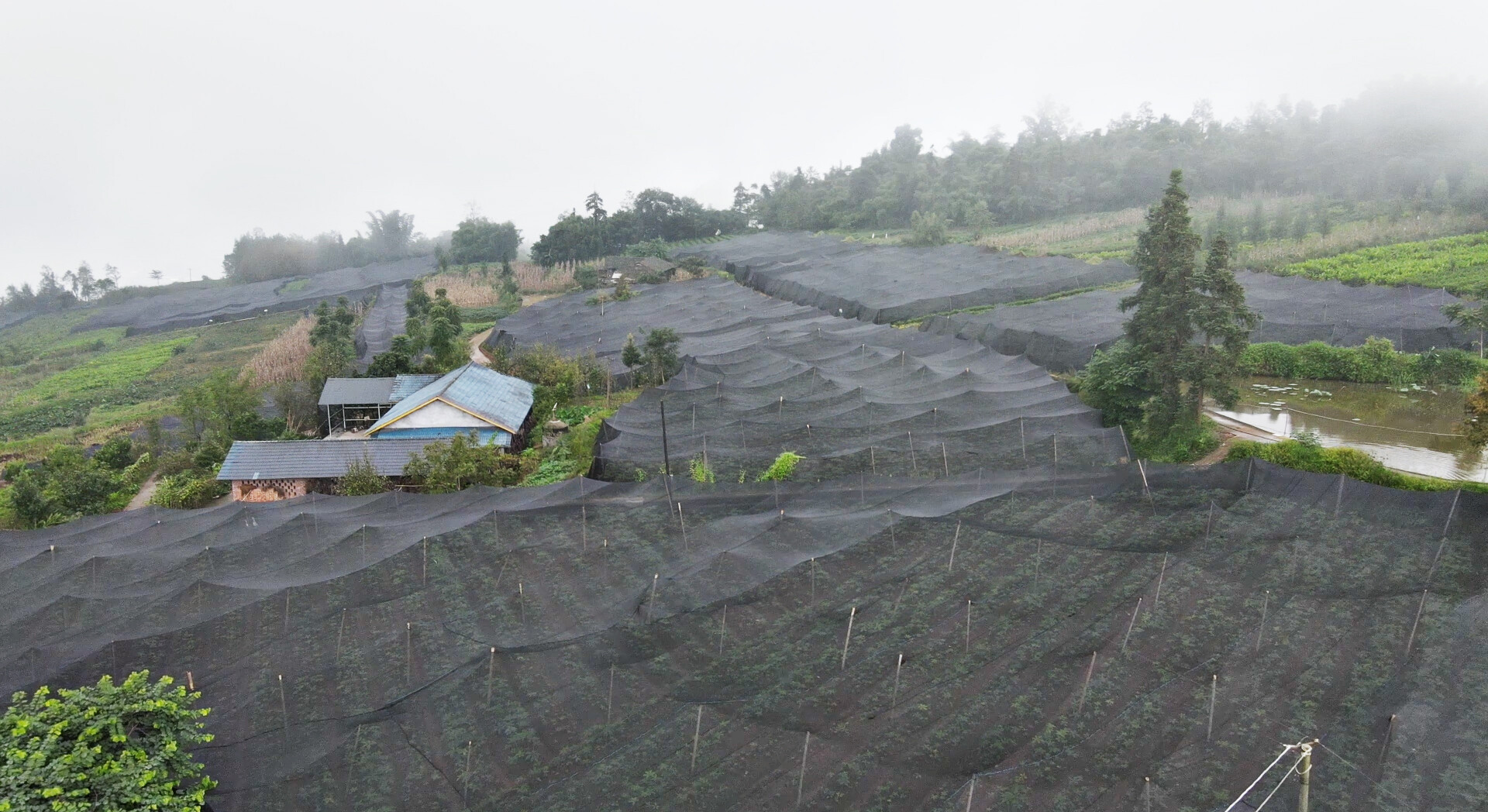
Konjac cultivation requires specific environmental conditions and is concentrated primarily in Asia. China's total konjac cultivation area exceeded 1.5 million mu (approximately 100,000 hectares) in 2023. However, the crop remains susceptible to disease and climate variations, which can cause supply fluctuations and price volatility.
Regulatory Complexity
Different markets have varying regulatory requirements for konjac products. Exporters must navigate complex compliance landscapes, including FDA registration for the US market and novel food authorization processes for the EU.
Competition and Market Positioning
As the market grows, competition intensifies. Success requires clear differentiation—whether through product quality, certification, pricing, or innovation. Leading companies are investing heavily in R&D; for example, one major konjac manufacturer increased R&D investment by 32% to 23.78 million RMB in 2024.
Strategic Opportunities for Suppliers
For konjac product suppliers and manufacturers, several strategic opportunities stand out:
1. Product Diversification
Moving beyond basic raw materials to develop value-added products—including konjac noodles, ready-to-eat snacks, dietary supplements, and functional ingredients—captures higher margins and meets evolving consumer preferences.
2. Certification and Quality Assurance
Obtaining internationally recognized certifications (FDA, HACCP, BRC, organic certification) builds trust with international buyers and differentiates products in competitive markets.
3. Market Expansion
Targeting high-growth markets including Europe, North America, and Southeast Asia, while understanding and complying with local regulatory requirements.
4. Innovation in Formats
Developing convenient, ready-to-eat formats, shelf-stable dried products, and innovative flavor profiles that appeal to diverse consumer preferences.
5. Sustainability Positioning
Leveraging konjac's natural, plant-based, and sustainable characteristics to appeal to environmentally conscious consumers and brands.
Conclusion
The global konjac market is poised for substantial growth, driven by converging trends in health consciousness, clean-label preferences, policy support, and product innovation. With the market projected to exceed $3.7 billion by 2034, opportunities abound for suppliers and manufacturers who can navigate regulatory requirements, develop innovative products, and effectively target international markets.
For businesses entering this space, the key to success lies in understanding market dynamics, maintaining quality standards, and building strong supply chains. As the industry continues to evolve from a traditional agricultural product to a global health food phenomenon, those who position themselves strategically will capture significant value in this growing market.
Ransider is a professional konjac food manufacturer with extensive experience in konjac noodles, konjac rice, dried konjac products, and konjac dietary fiber. We offer OEM/ODM services with FDA-approved production facilities. Contact us for wholesale inquiries and free samples.