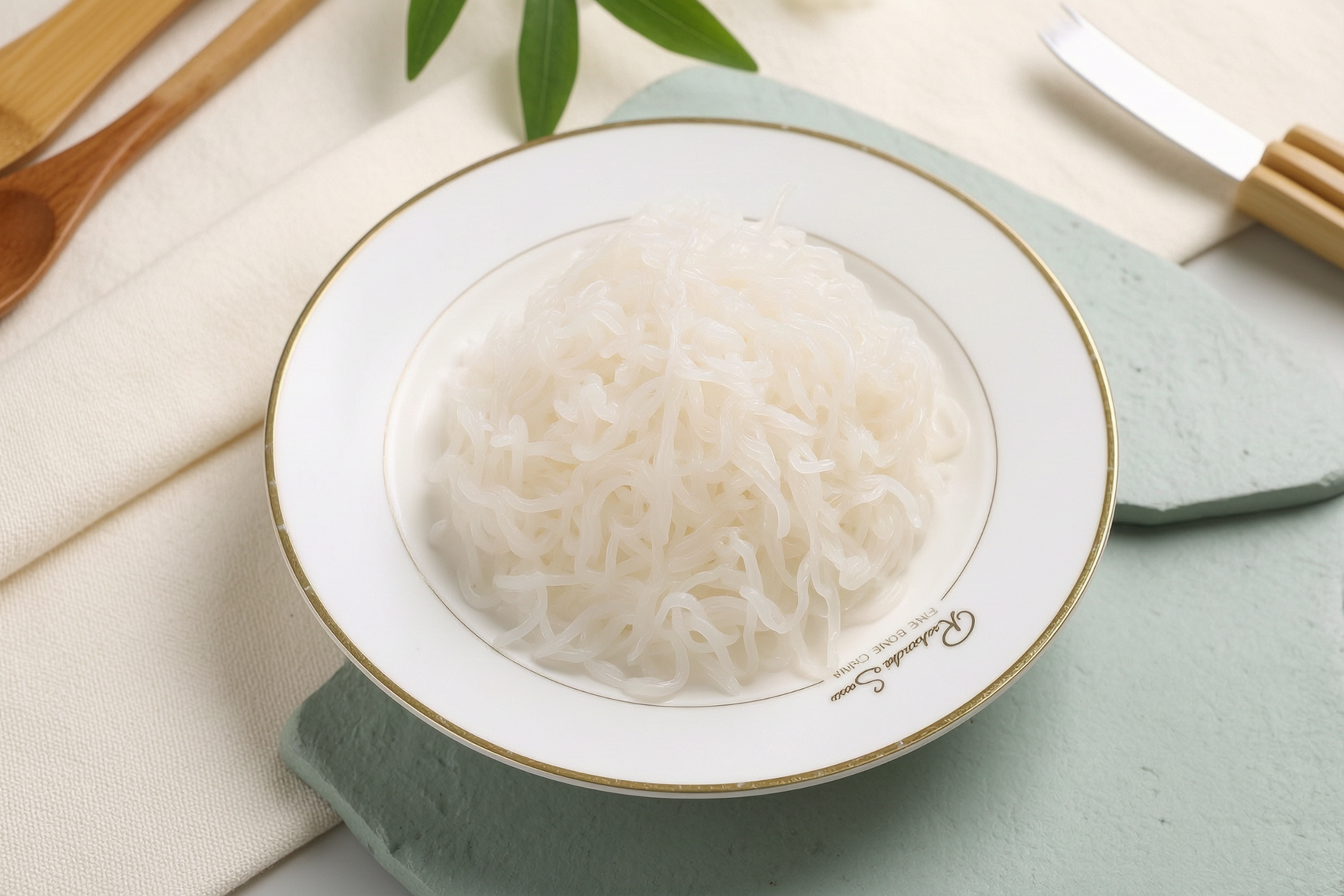
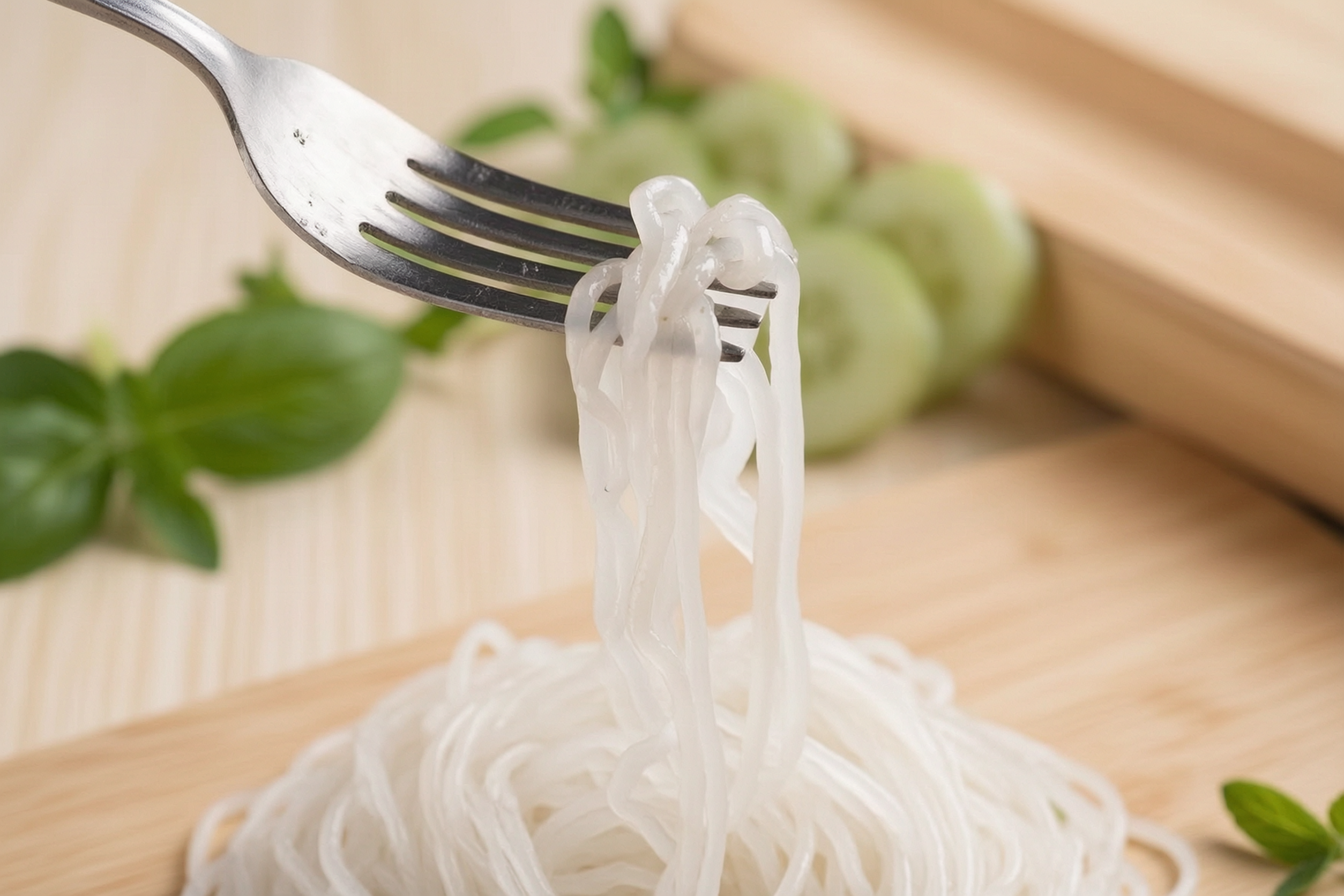
Konjac Planting Base – Why Vertical Integration Gives Suppliers a Competitive Edge
Vertical integration in the konjac industry means controlling the entire value chain—from proprietary planting bases to finished product export. For B2B buyers, this translates into consistent quality, reliable supply, competitive pricing, and full traceability. China dominates over 70% of global konjac production, and vertically integrated suppliers within major producing regions offer significant advantages over intermediaries. This article explores how planting base ownership, quality control, cost efficiency, and supply chain stability create a competitive edge for konjac suppliers—and what buyers should look for when evaluating partners.
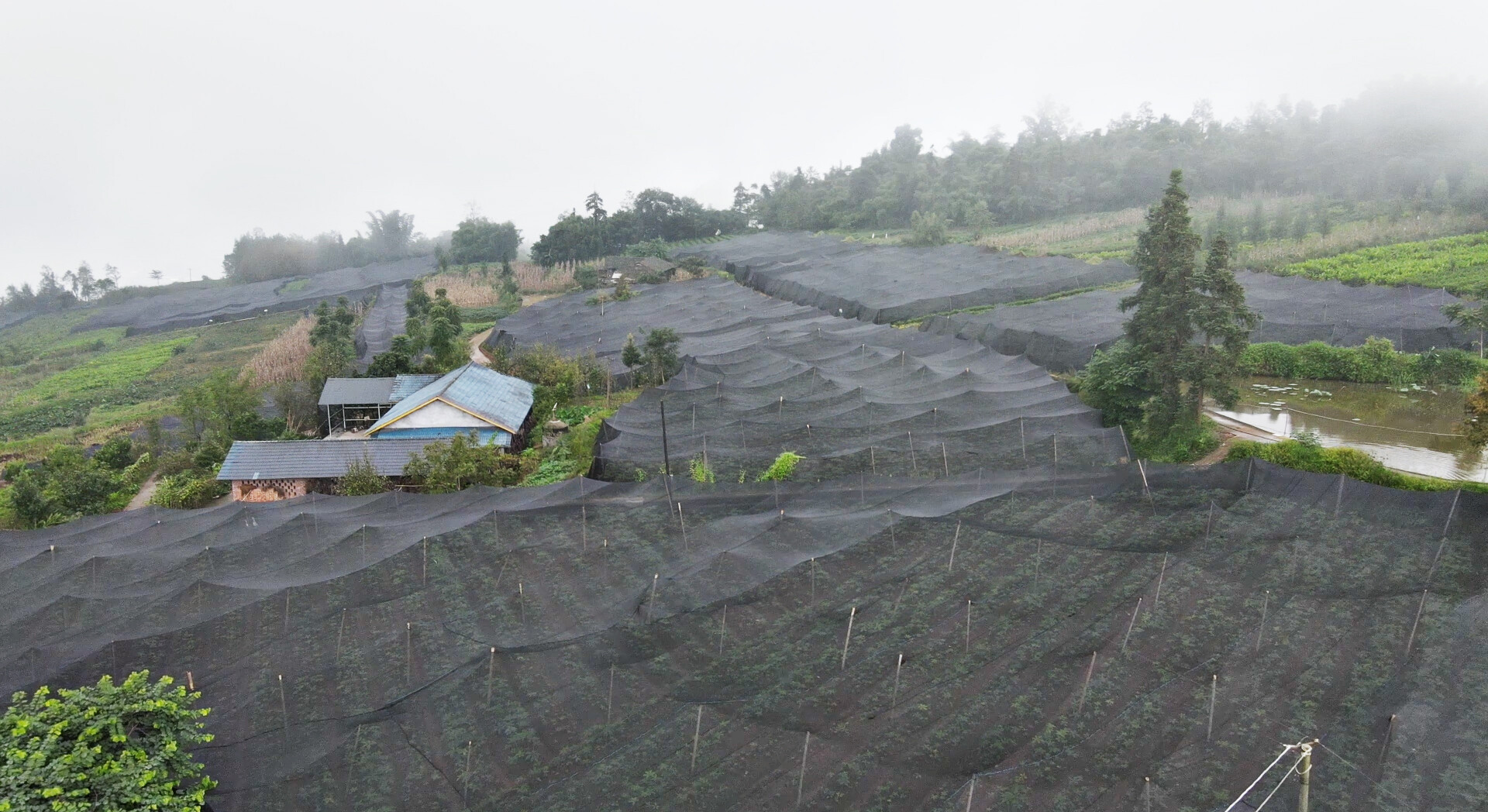
Konjac Planting Base – Why Vertical Integration Gives Suppliers a Competitive Edge
In the konjac industry, the difference between a reliable supplier and an unreliable one often comes down to one factor: control over the raw material.
For B2B buyers sourcing konjac products—whether noodles, rice, pasta, or dietary fiber—supply chain stability and product consistency are non-negotiable. Yet the konjac supply chain is uniquely challenging. Raw material prices fluctuate. Harvest seasons are concentrated. Quality varies from region to region. And when suppliers rely on third-party intermediaries for raw materials, these risks compound.
This is where vertical integration changes the game.
Suppliers with their own planting bases control the entire value chain—from soil to shelf. For buyers, this translates into consistent quality, reliable supply, and fewer surprises.
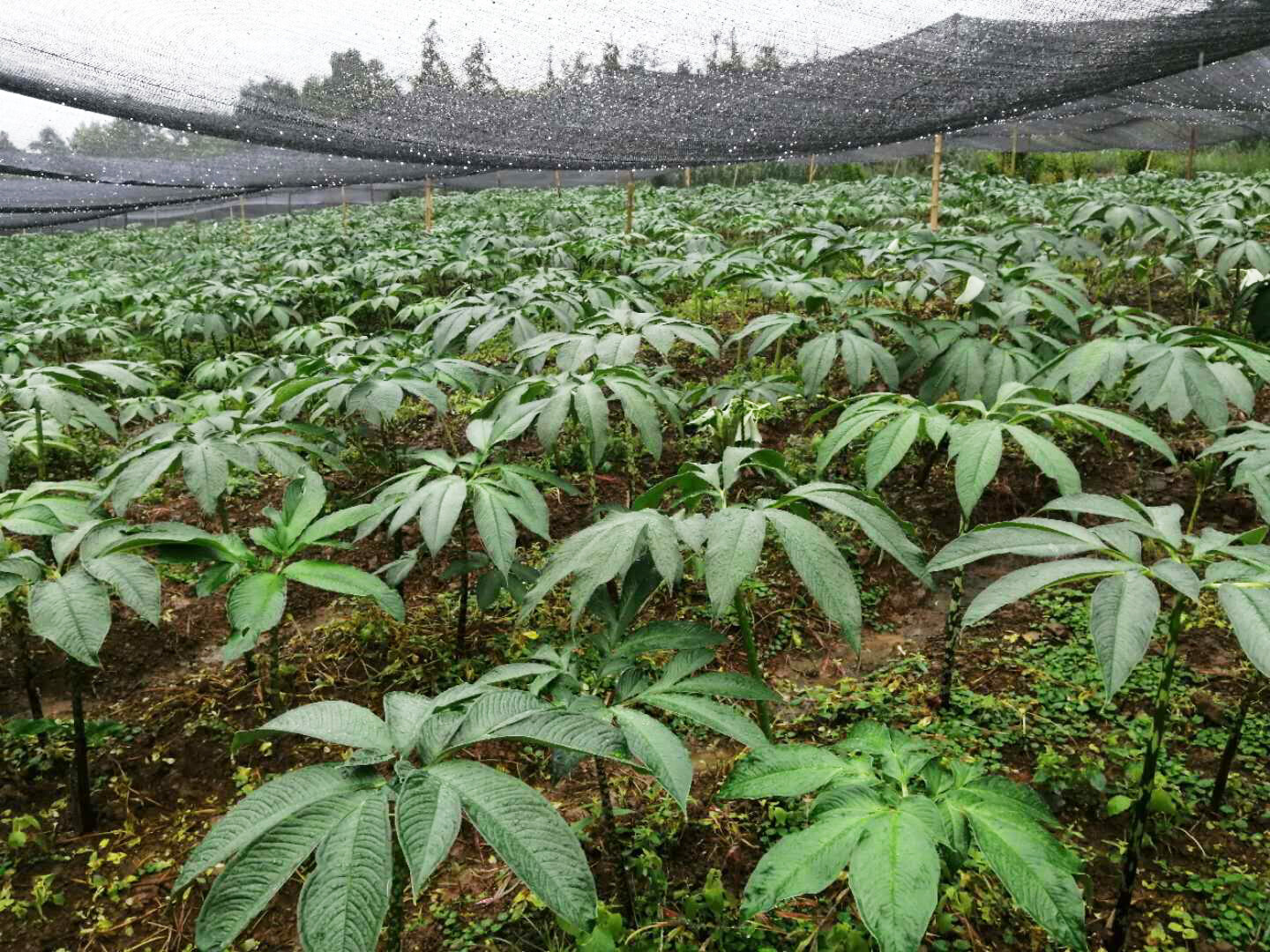
What Is Vertical Integration in the Konjac Industry?
Vertical integration means a single company controls multiple stages of the production and distribution process. In the konjac industry, a vertically integrated supplier typically:
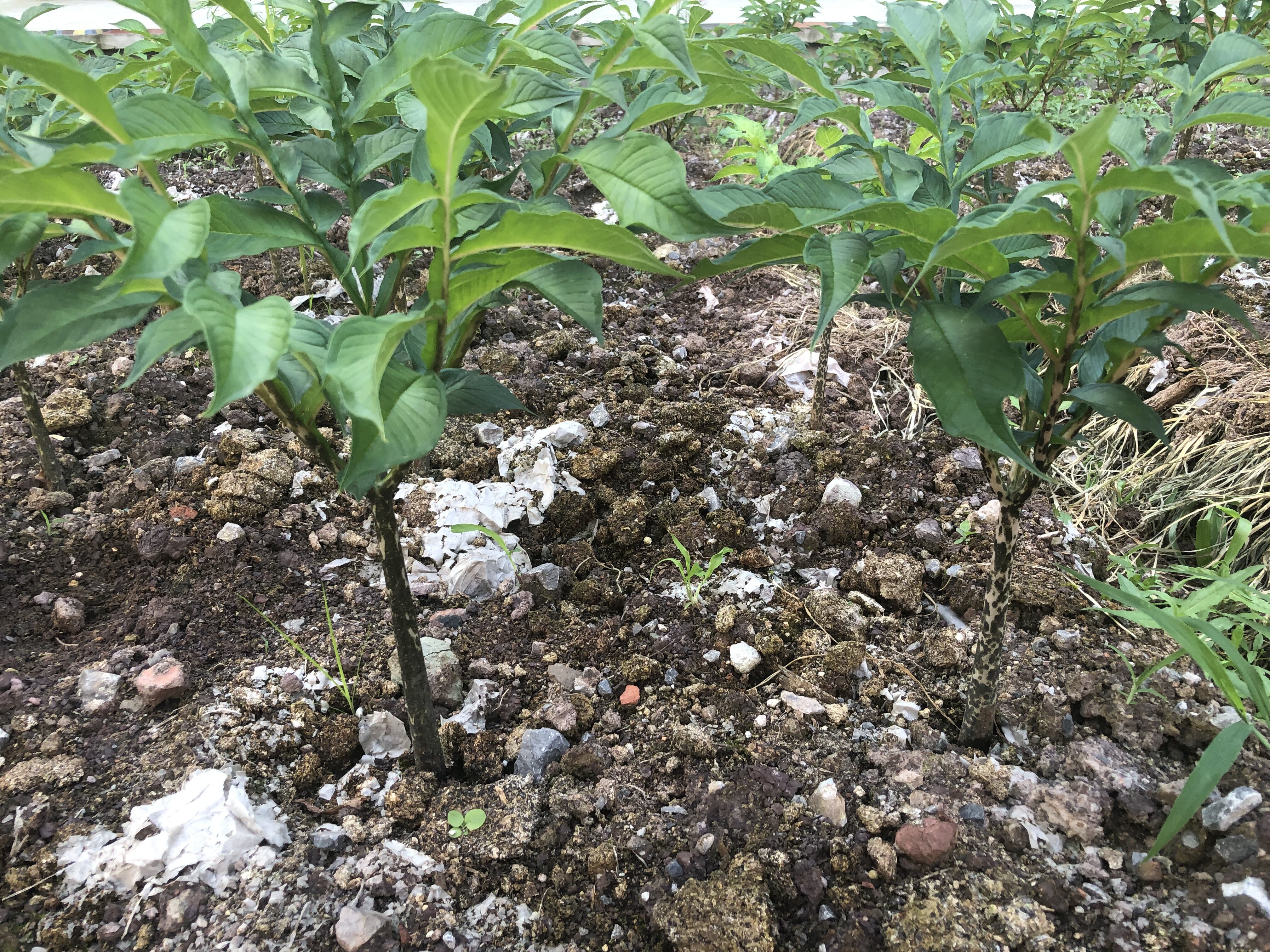
Owns or manages its own planting bases – rather than buying raw konjac tubers from spot markets
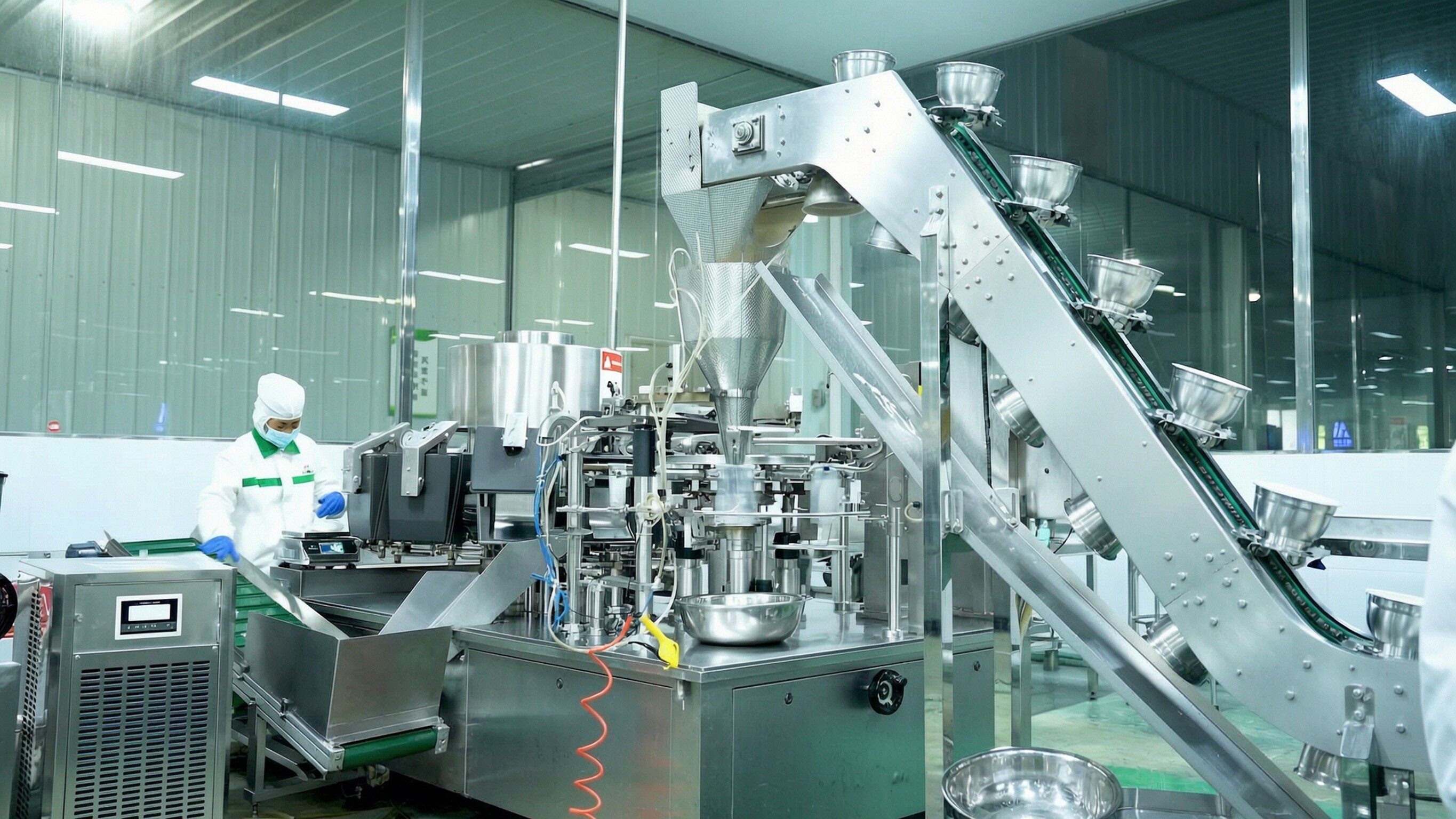
Operates processing facilities – converting raw tubers into konjac flour, glucomannan, or finished products
Manages quality control – at every stage from harvest to packaging
Handles logistics and export – ensuring end-to-end traceability
As one industry analysis puts it, vertical integration in konjac means managing “from konjac farming to extrusion, drying, and packaging” to maintain tight control over product consistency and shelf life. Some leading companies have built fully vertically integrated production models that span from dedicated planting bases to finished goods logistics.
China dominates global konjac production and processing, accounting for over 70% of the world’s supply. Within China, key producing regions like Sichuan, Yunnan, Hubei, and Shaanxi have developed industrial clusters where vertically integrated suppliers benefit from reduced dependency on third-party intermediaries, access to ISO-certified processing plants, and proximity to independent testing laboratories.
The Supply Chain Challenge in Konjac
To understand why vertical integration matters, it helps to understand what makes the konjac supply chain difficult.
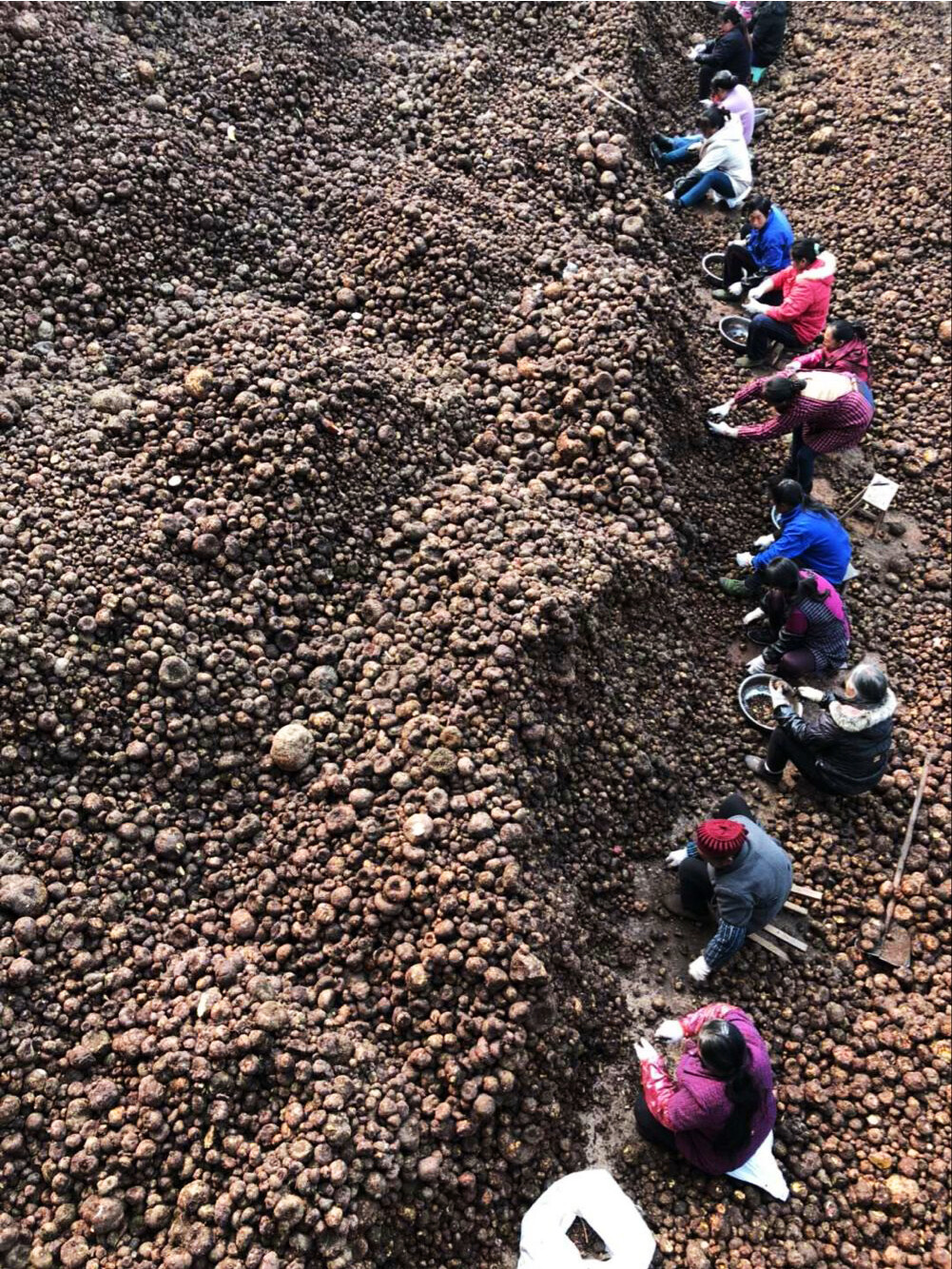
Konjac is a seasonal crop. Harvest typically occurs once a year, and the tubers must be processed relatively quickly after harvest to preserve glucomannan content—the functional fiber that gives konjac its value. Suppliers who don't control their own planting bases must compete in spot markets for raw materials, often paying premium prices during peak demand periods.
As one research report notes, the konjac supply chain has high barriers: concentrated procurement during harvest season, the need for upfront capital, and opaque pricing information. Companies with strong procurement networks and scientific cooperation mechanisms achieve strong control over raw materials. Those without such control face price volatility, quality inconsistency, and supply uncertainty.
For buyers, this translates into real risks:
Price spikes when harvests are poor
Quality variation between batches from different sources
Supply disruptions when intermediaries fail to deliver
Traceability gaps that complicate regulatory compliance
How Vertical Integration Creates Competitive Advantage
1. Supply Chain Stability
Suppliers with proprietary planting bases don't compete with everyone else for raw materials during harvest season. They secure their supply months—sometimes years—in advance. This stability flows directly to buyers in the form of reliable delivery schedules and predictable pricing.
The scale can be significant. Some companies operate planting bases spanning thousands of acres. For example, Sichuan-based Sentaiyuan Biotechnology maintains a traditional konjac planting farm of 33 million square meters and an organic planting farm of 250,000 square meters. This kind of scale ensures raw material availability regardless of market conditions.
In Muchuan County, Sichuan—home to a thriving konjac industry—standardized planting bases now cover more than 11,000 mu (approximately 733 hectares). The county has invested over 60 million yuan (about $8.5 million) in base construction over the past five years, leveraging more than 400 million yuan in private capital.
2. Consistent Quality Control
When a supplier controls the entire production chain, quality control begins in the field—not at the factory gate. Planting base operators can select the right varieties, manage soil conditions, time harvests for maximum glucomannan content, and implement standardized farming practices.
This matters because glucomannan purity—typically 70–90%—is a key determinant of texture and functionality in finished products. Variations in soil composition and harvest timing directly affect this critical metric.
Suppliers with their own bases can also invest in variety improvement. Some vertically integrated companies collaborate with research institutions to breed new konjac varieties with stronger disease resistance and higher yields. The result: better raw materials year after year.
3. Cost Efficiency
Vertical integration eliminates intermediaries and their markups. The economic impact is substantial: by moving from raw material to finished product, the industry has achieved what one report describes as a shift from “selling raw materials by the ton” to “selling products by the kilogram”.
This translates into competitive pricing for buyers without sacrificing quality. Suppliers with their own planting bases can offer better margins than those who must purchase raw materials on the open market and then add their processing and distribution costs on top.
4. Traceability and Compliance
For B2B buyers, traceability is increasingly non-negotiable. Retailers, regulators, and end consumers all demand to know where ingredients come from.
Vertically integrated suppliers can document every step: which field produced the konjac, when it was harvested, how it was processed, and when it was shipped. This 100% traceability from seed to shelf is a powerful differentiator—and increasingly a requirement for doing business with major retailers.
As one industry source notes, supply chain transparency platforms are being deployed to reinforce traceability from cultivation through finished ingredient delivery. Vertically integrated suppliers are best positioned to meet this demand.
5. Reduced Dependency on Intermediaries
The konjac supply chain has traditionally involved multiple layers: farmers, collectors, wholesalers, processors, and exporters. Each layer adds cost and introduces uncertainty.
Vertical integration collapses these layers. The supplier deals directly with farmers (or grows the crop themselves), processes the raw material, and exports the finished product. This reduces dependency on third-party intermediaries and gives the supplier—and by extension, the buyer—greater control over quality, timing, and cost.
6. Innovation and Product Development
Suppliers with their own planting bases can also innovate more effectively. They have the raw material security to invest in R&D—developing new product formats, improving processing techniques, and responding to emerging market trends.
In China's major konjac-producing regions, industrial clusters have formed that provide integrated ecosystems—from corm cultivation and flour extraction to ready-to-eat product formulation—offering economies of scale, shared technical expertise, and centralized testing labs. Vertically integrated suppliers within these clusters are best positioned to lead product innovation.
What This Means for B2B Buyers
For buyers evaluating konjac suppliers, vertical integration should be a key selection criterion. Here's what to look for:
What to Ask | Why It Matters |
|---|---|
Do you have your own planting base? | Indicates supply chain control and stability |
How do you ensure raw material quality? | Planting base management affects glucomannan content |
Can you provide traceability documentation? | Required for regulatory compliance and retailer acceptance |
What certifications do your planting base and facility hold? | Organic, BRC, IFS, FDA, Kosher, Halal |
How do you manage price volatility? | Vertical integration insulates against market fluctuations |
Suppliers with proprietary planting bases and vertically integrated operations are better positioned to deliver consistent quality, reliable supply, competitive pricing, and full traceability—the four pillars of a strong B2B supplier relationship.
The Ransider Advantage
At Ransider, we understand what buyers need—and we've built our operations accordingly.
Our proprietary konjac planting base gives us full control over raw material quality from the very first step. We manage the entire value chain:
Planting – Standardized farming practices for consistent quality
Harvesting – Timed for maximum glucomannan content
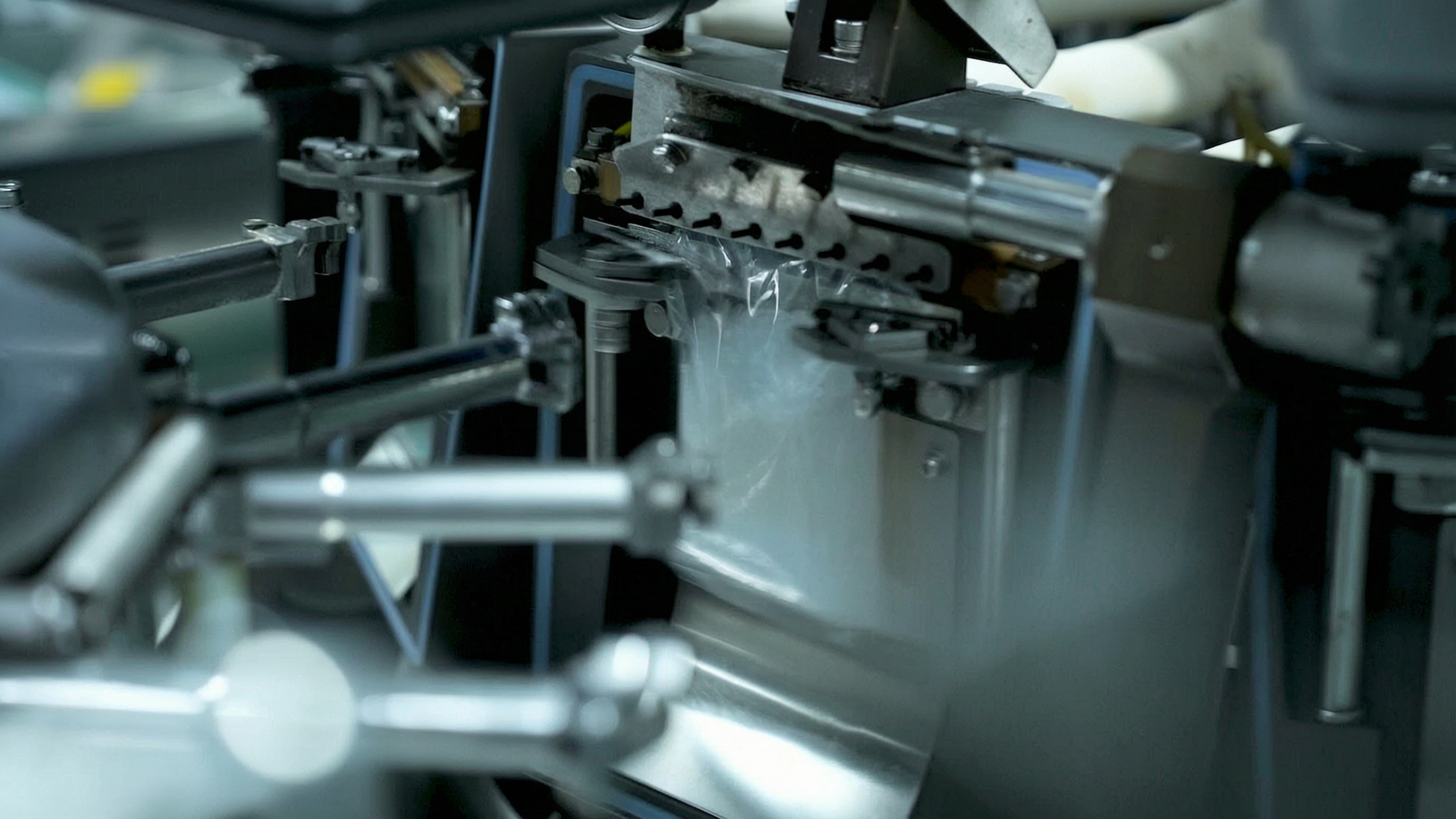
Processing – State-of-the-art facilities with strict quality controls
Export – End-to-end batch tracking from our facility to yours
This vertical integration is backed by BRC, IFS, FDA, Organic, Kosher, and Halal certifications—ensuring our products meet the highest international standards for food safety and quality.
When you partner with Ransider, you're not just buying konjac products. You're buying supply chain security, quality consistency, and a partner who controls every step of the process.
Ransider is a konjac food supplier built on 20+ years of manufacturing expertise. Our proprietary planting base and vertically integrated operations ensure consistent quality, reliable supply, and full traceability. Contact us for wholesale inquiries and free samples.